Per farm in co-op-sponsored trainings.
Leading the way in caring for the land and our cows.

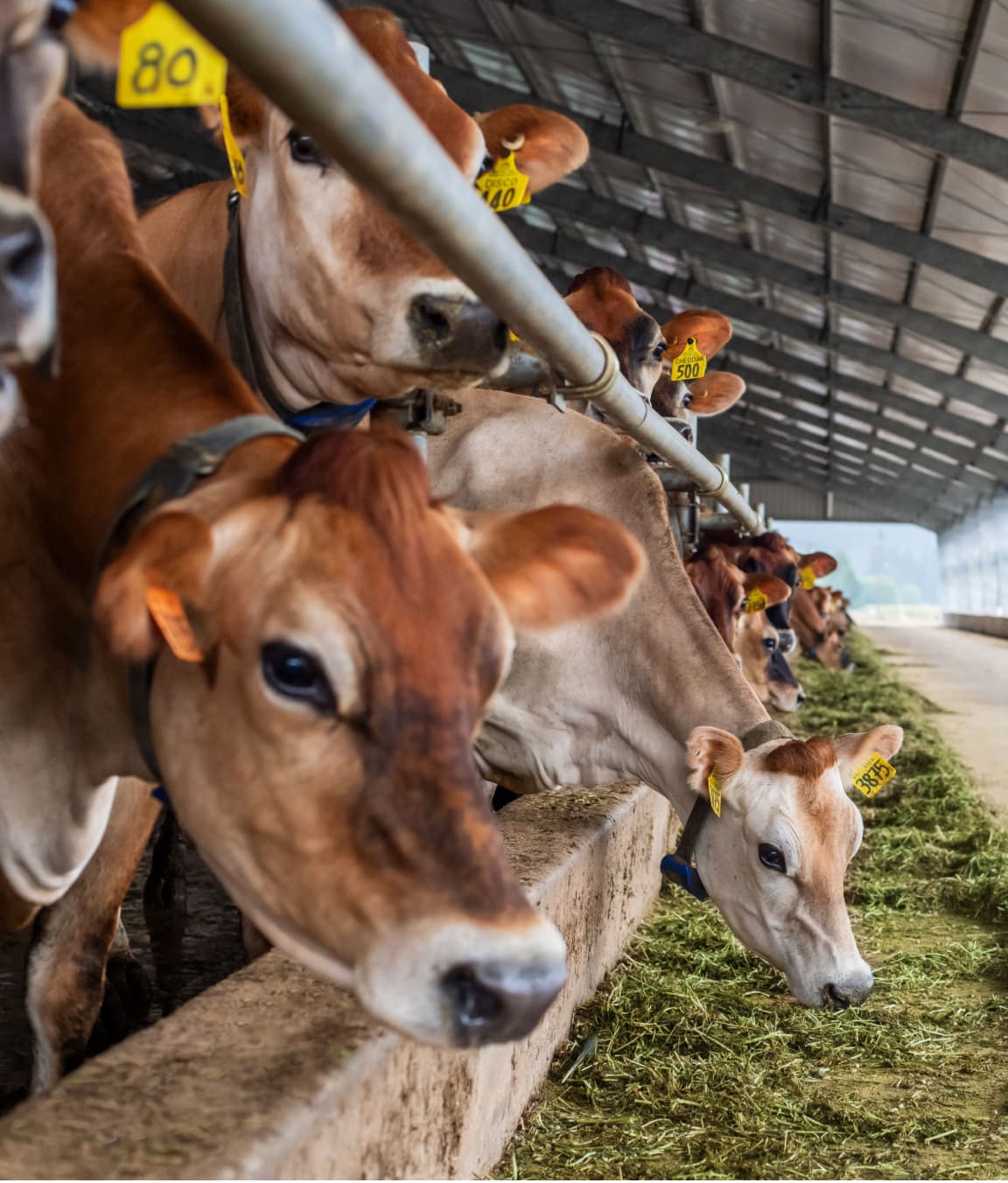
For dairy farmers, the highly infectious H5N1 flu is never far from mind. In collaboration with the Oregon state veterinarian, our Farm Services team implemented a multipronged strategy to keep our cows and workers safe. Prevention tactics included increasing biosecurity with boot washing stations, limiting cattle movement between farms, testing any purchased cows and eliminating gathering spots for nuisance birds. Implementing containment plans and weekly milk testing has also helped us avoid a potentially disastrous outbreak.
There were no reported cases of H5N1 in Oregon dairy herds in 2025, and the heightened awareness of how these diseases spread has translated into lasting preventative measures.
Some highlights from our 2025 Scorecard.
Some highlights from our 2025 Scorecard.
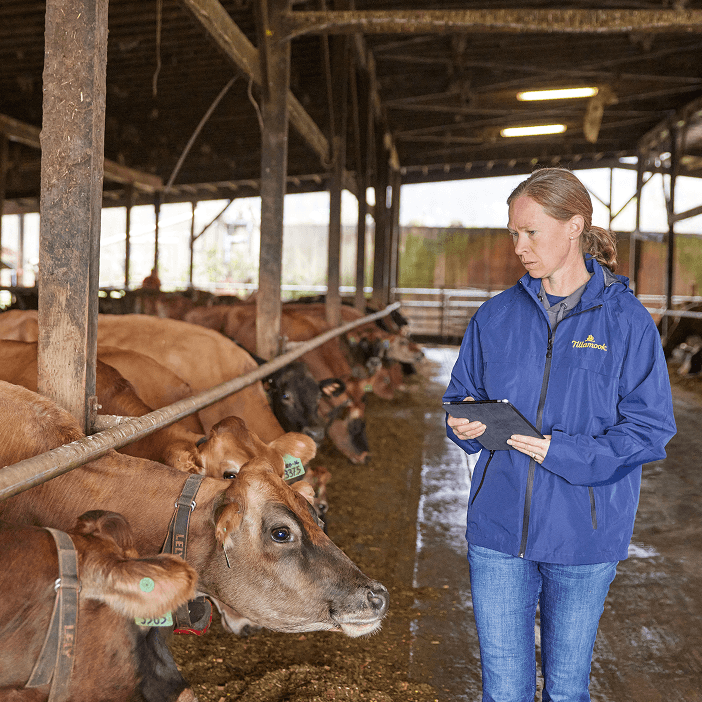

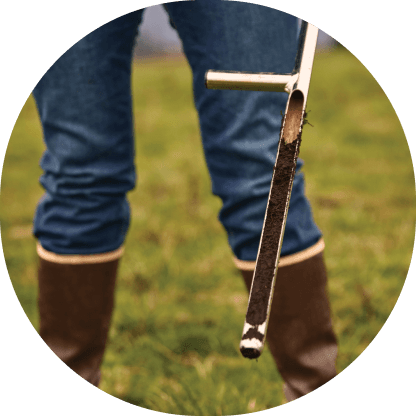
To meet certain regulatory requirements, farmers must take soil samples of their fields. But this time-consuming process can often get in the way of the daily demands of running a farm.
This past summer, a group of interns visited a handful of farms to collect dirt samples for a lab to analyze the health of our fields. With data on our soils, our farmers can grow healthier crops and use less fertilizer — a win for our cows, a win for the land.
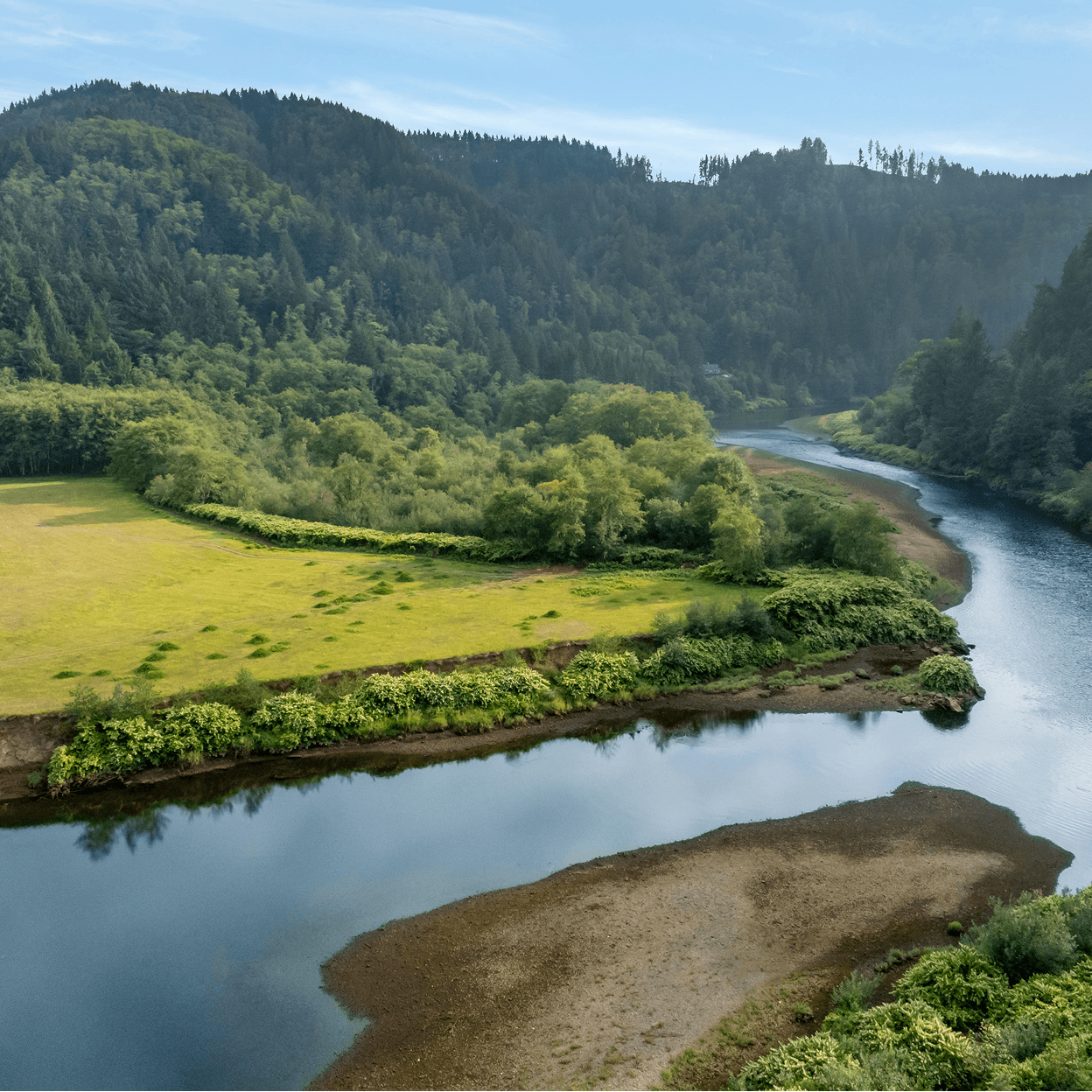
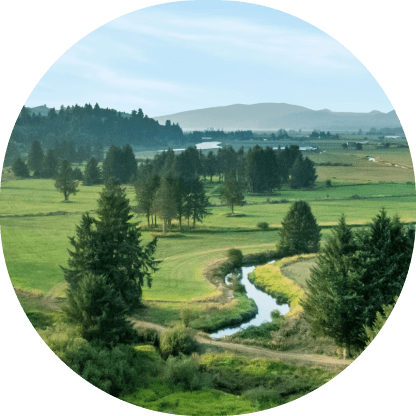
Simply put, the more we can integrate our farms into the broader ecosystem, the healthier they’ll be. Planting trees, removing old culverts and maintaining the banks of the rivers and streams that weave through Tillamook is a vital but permit-heavy task. On behalf of our farmer-owners, we work with various regulatory bodies to have all required documents in order, draw up plans, assemble work crews and perform routine maintenance. In 2025, we proudly completed a sizable tide gate project and native planting along the Trask River, with hundreds of additional feet of linear planting along the Nestucca and Wilson Rivers.